What Is Shopline? Features, Pricing and Drawbacks (2026)
Introduction The global eCommerce market is already in the five trillion economy category. Well, nothing to be surprised about here as it is the most anticipated and growing market compared to other segments. Major credit for this immense growth goes to the ever-evolving technologies like Artificial Intelligence (AI) and Machine Learning (ML). It has helped […]
 Jul 11, 20237 min read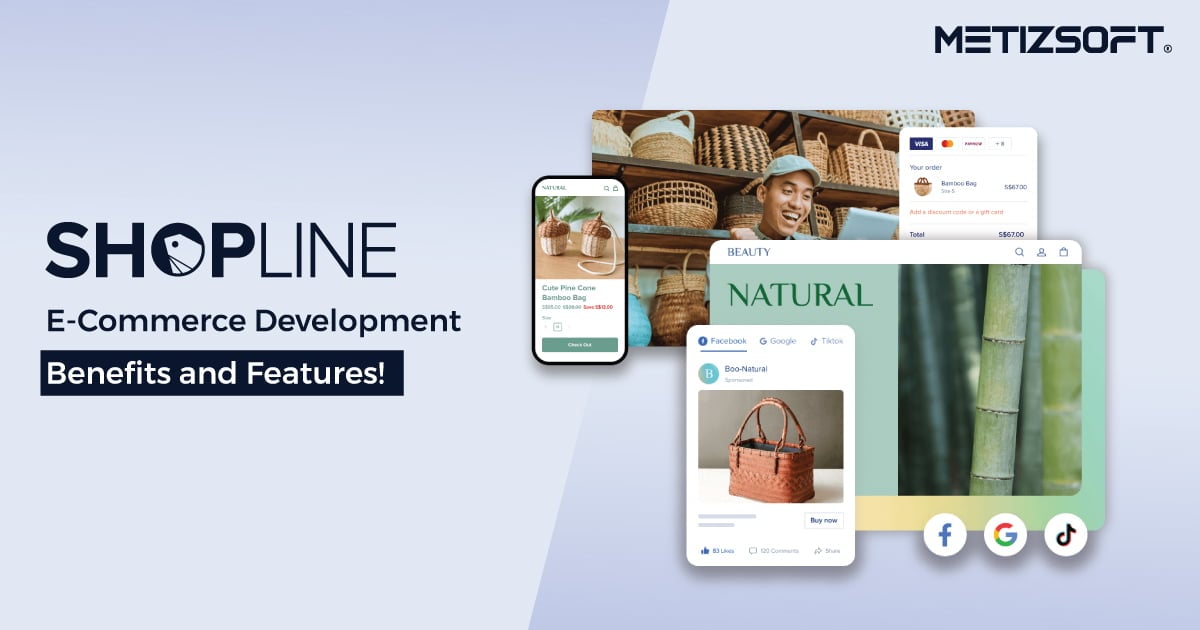
Introduction
The global eCommerce market is already in the five trillion economy category. Well, nothing to be surprised about here as it is the most anticipated and growing market compared to other segments.
Major credit for this immense growth goes to the ever-evolving technologies like Artificial Intelligence (AI) and Machine Learning (ML).
It has helped many entrepreneurs excel in the vast tech digital technology and create bespoke eCommerce platforms to ensure quick access to worldwide merchants and brand owners.
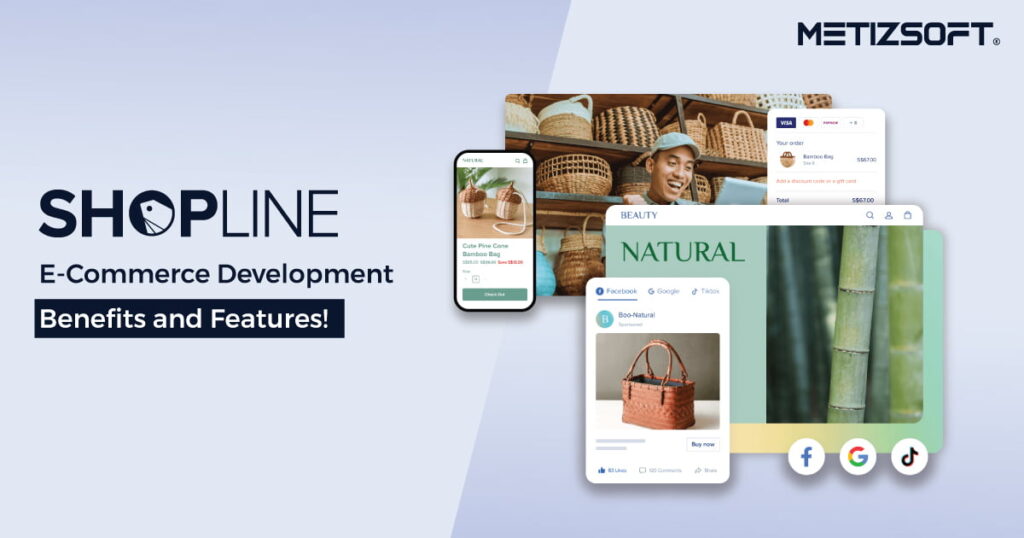
One such advanced and widely used platform is Shopline. It’s an all-in-one online store with robust features and functionalities, and it has gained thousands of user bases in the last decade.
This blog post covers everything you need to know to create a successful online store with Shopline.
What is Shopline?
Shopline is a dynamic, global eCommerce platform designed for merchants to create and manage online stores. Since its launch in 2013, it has been the go-to platform for over 350,000 brand owners worldwide.
The platform comprises B2B-related features, user-friendly interfaces, and numerous social media and analytics options to make it precise for users from all prospects.
The Shopline eCommerce development process typically involves the following steps:
Setting up your store – This includes choosing a domain name, selecting a theme, and adding your products.
Designing your website: You can use Shopline’s built-in tools to customize the look and feel of your website, or you can hire a professional designer to help you.
Managing your products: You can add, edit, and delete products from your store, and you can also set up product variations, shipping options, and pricing.
Processing orders: Shopline provides various payment options, and you can also set up shipping rates and tracking information.
Besides these fundamental measures, Shopline provides various additional features and tools to enhance your online store, which we will discuss in the next section.
Its Key Features
An eCommerce platform with dynamic features and configuration creates enormous business opportunities for both itself and its users. Shopline has many such unified features that ensure seamless integration and optimization. Some of its staggering feature offerings are as follows:
Seamlessly Create and Manage Your Online Store
Shopline makes creating a beautiful, professional-looking online store accessible. You can pick from various themes and customize your store to match your brand. Shopline also makes managing your inventory, products, and orders easy.
Global reach
Shopline is a global platform allowing you to sell multiple products to thousands of customers worldwide. Shopline supports multiple languages and currencies and integrates with popular shipping carriers. Moreover, you can comprehensively go live on various social media channels and create custom live streams.
Robust marketing tools
Shopline offers a variety of advanced marketing tools to help you promote and grow your business. These tools include email and social media marketing and Google Shopping Ads. Meanwhile, you can generate gift cards, vouchers, and coupons to attract buyers and enhance revenue.
Advanced analytics
Shopline provides a real-time analytics dashboard that gives you a better position to get an insight into customer data, traffic, and marketing performance, ensuring quick and precise optimization of your store. You will get detailed analytics to track your store’s performance and make informed decisions about your business.
Shopline Pricing
Like many other eCommerce platforms, you will need to subscribe to Shopline’s monthly or annual plans to enable its service. Each plan contains many packages, including:
A Free SSL Certificate
Email Marketing
FREE Themes
SEO
Analytics (Data Visualization Graph, Charts)
Social Media Supports
Policy Templates
Multiple Language and Currency Support
Abandoned Cart Recovery
Customer Support
The higher the subscription model you choose, the lesser your transaction fee will be. Here’s a short brief about Shopline’s pricing stricture:
Lite: $12 per month- You can create only a one-page store and register a maximum of three staff accounts. Transaction fee 2%!
Starter: $29/Month- You can build a full-fledged online store and register five staff accounts. Transaction fee 2%!
Essential: $69/Month (or $690 a year) – You can register a maximum of ten staff accounts. Transaction fee 0.80%!
Standard: $149/Month (or $1490 a year) – You can register a maximum of 20 staff accounts. Transaction fee 0.40%!
Premium: $259/Month ($2590 a year) – You can register 100 staff accounts. Transaction fee 0.20%!
Shopline Benefits
Shopline is, in many ways, a user-friendly and affordable medium to build, run and optimize an online store. Here are some of the benefits of using the Shopline eCommerce platform:
Shopline comes with a seven days free trial and numerous pricing tiers, making it a cost-effective eCommerce solutions for businesses of all sizes.
You can quickly start and control live streams directly from your Shopline dashboard.
You can access various customer engagement tools such as loyalty programs, affiliate programs, and membership options.
Multiple language and currency support.
Shopline Drawbacks
The pricing of Shopline may vary depending on local policies and payment processing fees. This could make determining how your location will affect smaller costs difficult.
It is unclear how the plans differ from Shopline’s pricing page. One example is that the Pro plan offers more options for customizing analytics than the Lite plan. The price comparison is not very clear and transparent.
Transaction fees apply to every plan.
The level of customization for web design is quite restricted.
Frequently Asked Questions
Is Shopline better than Shopify?
Neither is better outright they serve different markets. Shopline is stronger in Asia-Pacific, with deeper social commerce and livestream selling built in, and it is popular with merchants selling into Hong Kong, Taiwan and Southeast Asia. Shopify has a far larger app ecosystem, more third-party integrations and a bigger developer community globally. If your customers are mainly in Asia and social selling matters to you, Shopline is worth evaluating. For most other markets, Shopify's ecosystem advantage is hard to beat.
How much does Shopline cost?
Shopline pricing starts at around $12 per month for its entry plan, with higher tiers adding features like advanced reporting, multi-channel selling and additional staff accounts. Transaction fees and payment gateway charges apply on top, and enterprise pricing is quoted directly. Check the official Shopline site for current figures, as pricing changes by region.
Can I migrate from Shopify to Shopline?
Yes. Products, collections, customers and order history can all be moved, either through Shopline's own import tools or with a developer handling the mapping. The parts that need planning are your theme, which will need rebuilding rather than transferring, any apps you rely on that may not have a Shopline equivalent, and your URL structure, which needs redirects in place to protect existing search rankings.
Does Shopline support dropshipping?
Yes, Shopline supports dropshipping through supplier integrations and its app marketplace, though the range of dropshipping apps is smaller than Shopify's. If dropshipping is your core model, check that your specific supplier or sourcing platform has a Shopline integration before committing.
Is Shopline good for small businesses?
It can be, particularly for small merchants selling in Asia-Pacific or running a social-first business. The entry pricing is competitive and the built-in social commerce tools remove the need for several paid apps. Small businesses outside Asia usually find better support and more resources on Shopify.
What are the main drawbacks of Shopline?
The main limitations are a smaller app ecosystem, fewer available developers and agencies outside Asia, and less community documentation when you run into problems. Theme options are also more limited than Shopify's. For merchants who need heavy customisation or niche integrations, these constraints matter.
Conclusion
This comprehensive guide covers all the essential prospects regarding the Shopline eCommerce platform – from creating your store to managing key features, pricing structure, benefits, and drawbacks. The platform has been running for over a decade now. And so far, it has managed to attract a vast number of brand owners and merchants worldwide with its flagship offerings.
It still lacks features and pricing structure stability, but it is still a viable option for small and mid-size business owners to expand their businesses. And if your roadmap also includes Shopify, our Shopify app development services can help you build the apps and integrations you need. If you are considering building an online store using the Shopline eCommerce platform, we recommend you partner with Metizsoft Solutions – a preeminent Shopline eCommerce development company.
Leave a Reply