Optimizing Agile Product Development with Rapid Prototyping
Understand the Role of Rapid Prototyping in Agile Product Development. Explores the critical role of rapid prototyping in Agile product development, its benefits, and best practices for implementation.
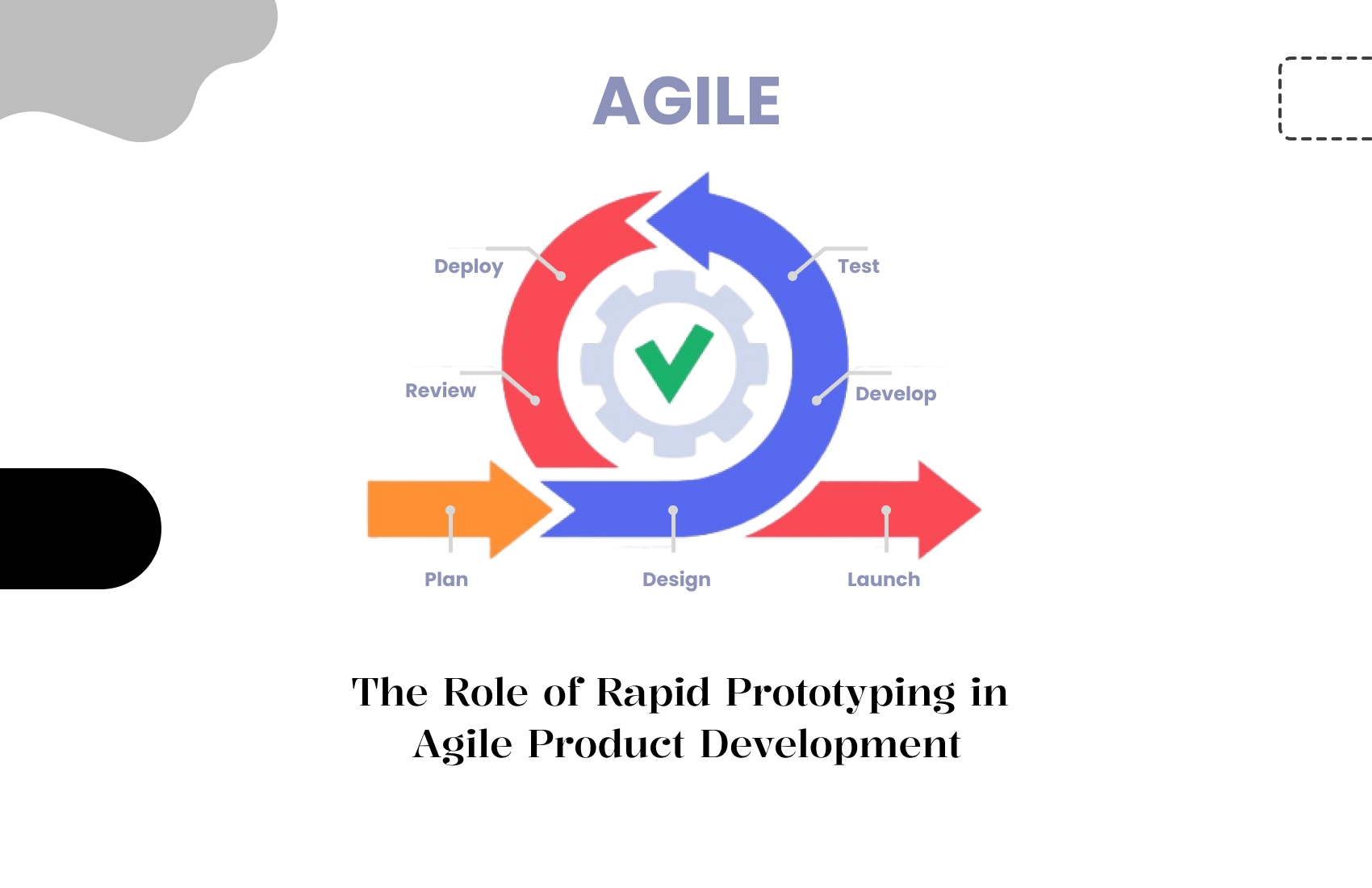
In today’s fast-paced market, agility is key to successful product development. Companies increasingly adopt Agile methodologies to enhance collaboration, streamline processes, and respond quickly to customer feedback. One of the most powerful tools that complement Agile practices is rapid prototyping. This blog explores the critical role of rapid prototyping in Agile product development, its benefits, and best practices for implementation.
Understanding Rapid Prototyping
Rapid prototyping is the process of quickly turning concepts into tangible models or prototypes. It involves various techniques, such as 3D printing, computer-aided design (CAD), and iterative testing, to create functional versions of a product. This approach allows teams to visualize and evaluate ideas early in the development cycle, fostering creativity and innovation.
Enhancing Collaboration and Communication
In an Agile environment, collaboration among cross-functional teams is essential. Rapid prototyping facilitates this by providing a shared visual representation of ideas. When team members can see and interact with a prototype, it fosters more productive discussions and helps align expectations. Designers, engineers, and stakeholders can offer immediate feedback, ensuring that everyone is on the same page and reducing the risk of misunderstandings later in the process.
Accelerating the Feedback Loop
One of the core principles of Agile development is the iterative feedback loop. Rapid prototyping allows teams to create a minimum viable product (MVP) that can be tested with real users quickly. This process enables teams to gather valuable insights on functionality, usability, and overall user experience. By integrating user feedback early, companies can make informed decisions and pivot their strategies as needed, ultimately leading to a product that better meets market demands.
Minimizing Risks and Costs
Developing a product can be a costly and time-consuming endeavor, especially if issues are discovered late in the process. Rapid prototyping mitigates these risks by identifying potential problems early on. By testing prototypes in the initial stages, teams can pinpoint design flaws, usability challenges, or technical limitations before investing significant resources into full-scale production. This proactive approach not only saves time but also reduces development costs, making the entire process more efficient.
Supporting Innovation
Rapid prototyping encourages experimentation and innovation, two crucial elements of Agile development. Teams can explore multiple design concepts simultaneously, allowing for a more diverse range of ideas. With the ability to iterate quickly, teams are more willing to take risks and try unconventional solutions, leading to breakthroughs that can differentiate their products in a competitive market.
Best Practices for Implementing Rapid Prototyping in Agile
- Define Clear Objectives: Before starting the prototyping process, outline specific goals and criteria for success. This clarity will guide the development and evaluation of prototypes.
- Involve Stakeholders Early: Engage stakeholders in the prototyping process to gather their insights and expectations. Early involvement fosters buy-in and ensures that the product aligns with business objectives.
- Iterate Quickly: Embrace the Agile mindset of rapid iterations. Create multiple prototypes, test them, and refine them based on feedback. The faster the iteration cycle, the quicker you can address issues.
- Use the Right Tools: Invest in tools and technologies that facilitate rapid prototyping, such as 3D printing, simulation software, or user testing platforms. These tools can significantly streamline the prototyping process.
- Encourage a Culture of Feedback: Foster an environment where team members and stakeholders feel comfortable providing honest feedback. Constructive criticism is vital for continuous improvement.
- Document Learnings: Keep track of insights and lessons learned throughout the prototyping process. This documentation can inform future projects and help teams avoid repeating mistakes.
Ending Note
Rapid prototyping is an invaluable asset in Agile product development, enabling teams to innovate, collaborate, and respond to user feedback swiftly. By minimizing risks, reducing costs, and fostering a culture of experimentation, companies can enhance their product development processes and ultimately deliver solutions that resonate with customers. As the product development landscape continues to evolve, embracing rapid prototyping will be essential for organizations looking to stay ahead of the curve.
By integrating rapid prototyping into your Agile practices, you can create a more dynamic, efficient, and successful product development cycle. So, if you haven’t yet embraced this powerful tool, now is the time to start!


Leave a Reply