AI in Product Engineering: Transforming Innovation Today
Explore how AI is transforming product engineering, driving innovation and efficiency. Discover the future of design, development, and market competitiveness.
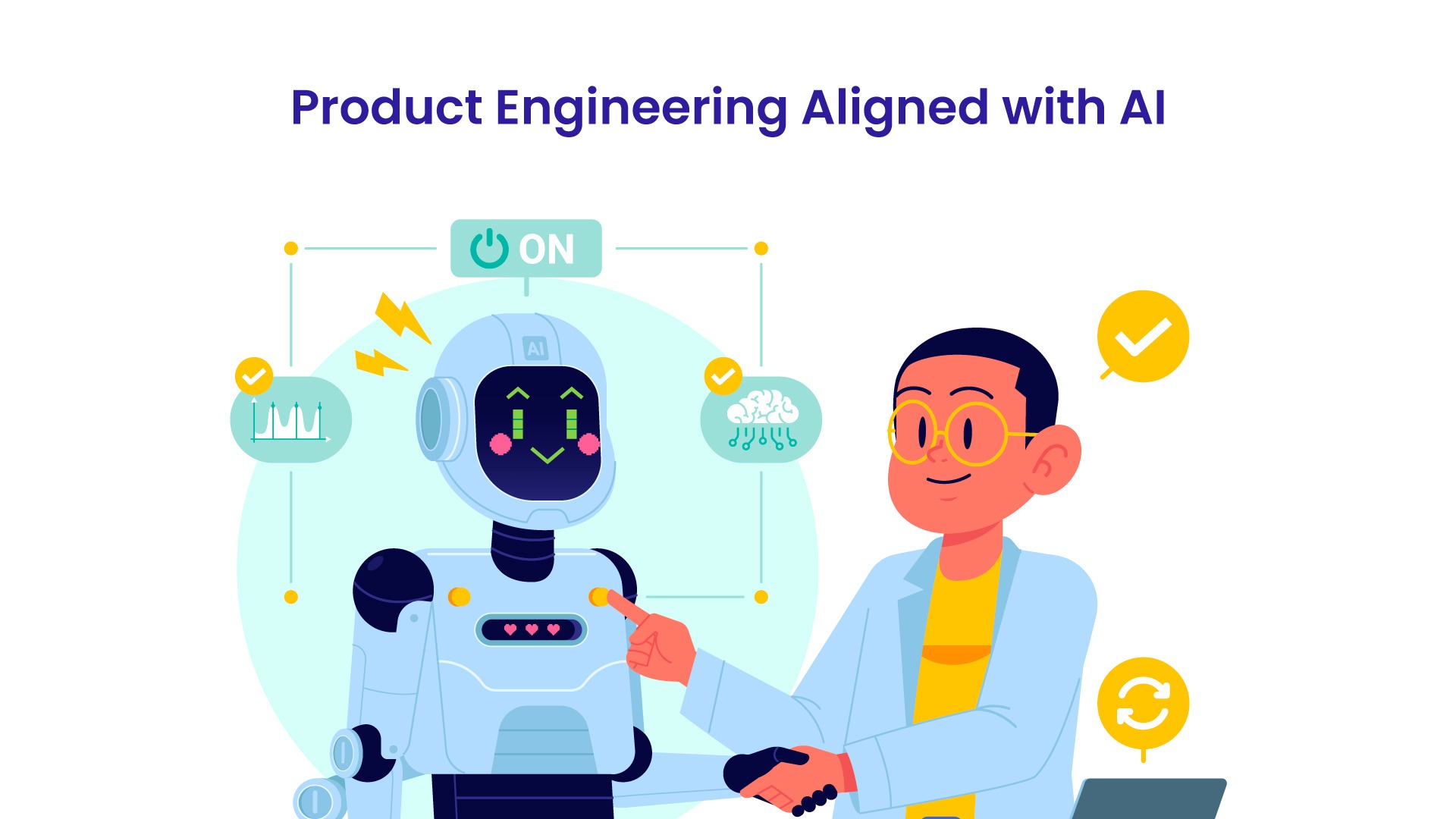
Artificial Intelligence (AI) is no longer just a buzzword—it has become a transformative force reshaping the landscape of product engineering. As businesses and industries increasingly depend on software solutions, AI plays a vital role in streamlining the development process, enhancing product quality, and driving innovation. From automating code generation to predicting product performance, AI is revolutionizing how software engineers approach every stage of product engineering, including design, development, and maintenance.
This blog explores how AI is impacting product engineering in the software industry, highlighting key benefits, real-world applications, and what the future holds.
AI’s Impact on Software Product Engineering:
In software engineering, AI is used to automate repetitive tasks, analyze vast amounts of data, optimize workflows, and enhance decision-making. Here are some key areas where AI is making a significant impact:
1. Automating Code Generation and Testing
Traditionally, writing code has been a labor-intensive process requiring manual input from software developers. However, AI-powered tools like OpenAI’s Codex, GitHub Copilot, and other machine learning models are now capable of generating code based on natural language input or high-level descriptions. This means software engineers can focus more on problem-solving and creative aspects, while AI handles mundane or repetitive coding tasks.
Benefits:
- Increased productivity: Engineers can deliver features faster with AI-assisted code generation.
- Reduction of human errors: AI can automate error-prone tasks, reducing bugs and improving software quality.
- Accelerated development cycles: Shorter timeframes from concept to deployment.
In addition to coding, AI also automates software testing. Tools powered by AI can automatically generate test cases, identify potential bugs, and even predict areas of the codebase that might need refactoring. This enables engineers to ship products with higher confidence in their reliability.
2. AI-Driven Decision Making and Product Optimization
AI excels at analyzing large datasets and identifying patterns, trends, or potential optimizations that would be difficult for humans to detect manually. This capability is especially valuable in product engineering when it comes to making informed decisions about product design, feature prioritization, and performance optimization.
- Predictive analytics can anticipate user behaviors, product performance, or potential failure points, allowing engineers to optimize software solutions before problems occur.
- AI-powered recommendation systems can help engineers decide which features to focus on based on user engagement, feedback, or market trends. This results in a more user-centric product design, improving overall customer satisfaction.
For example, companies like Netflix and Spotify use AI-driven data analytics to understand user preferences and optimize their recommendation algorithms, leading to better user retention and engagement.
3. Natural Language Processing (NLP) for Better User Experiences
One of the most prominent uses of AI in software product engineering is Natural Language Processing (NLP), which is transforming the way software products interact with users. NLP allows products to understand and process human language, enabling the development of more intuitive, user-friendly software solutions.
- Chatbots and virtual assistants: AI-powered chatbots and virtual assistants (like Siri, Google Assistant, and Alexa) are now commonplace in software products. They can handle a wide range of user queries, assist with tasks, and provide personalized recommendations based on user interactions.
- Enhanced user interfaces: NLP helps develop more intelligent user interfaces, where software can interpret and respond to voice commands or written queries, making the interaction more natural and efficient.
For example, companies like Grammarly use NLP to provide real-time language assistance, improving user productivity and communication quality through AI-driven suggestions for grammar, tone, and clarity.
4. AI in DevOps: Continuous Integration and Deployment
In the software engineering lifecycle, DevOps practices have become essential for ensuring fast and efficient delivery of products. AI is playing a critical role in enhancing continuous integration and continuous deployment (CI/CD) pipelines by automating processes, detecting anomalies, and predicting potential system failures.
- Predictive maintenance: AI can monitor logs, metrics, and system performance to predict failures or crashes, alerting engineers before major issues arise.
- Smart automation: AI can automate the build, test, and deployment processes in CI/CD pipelines, ensuring faster releases and reducing the risk of errors during deployment.
For instance, AI-powered tools like Ansible, Jenkins, and Puppet leverage machine learning to optimize CI/CD workflows, ensuring smoother and faster rollouts of new software features.
5. AI in Cybersecurity for Software Products
As software products become more integrated and complex, the risk of cyberattacks grows. AI is now a vital tool in ensuring robust cybersecurity for software products. AI-driven security systems can detect and respond to threats faster than human operators, identifying potential vulnerabilities and mitigating risks in real time.
- Anomaly detection: AI can analyze large volumes of network traffic or system logs to detect unusual patterns that might indicate a security breach or attempted attack.
- Behavioral analysis: By learning the normal behavior of users and systems, AI algorithms can identify deviations from the norm and flag potential threats.
Companies like Darktrace and CrowdStrike use AI to provide real-time threat detection and automated response systems, making software products more resilient to cyberattacks.
6. AI-Driven Personalization and User Engagement
AI’s ability to process and analyze user behavior enables software products to offer highly personalized experiences. By learning from user interactions, AI can customize features, interfaces, and recommendations, keeping users engaged and satisfied.
- Personalized content delivery: AI algorithms can recommend content, features, or products tailored to the preferences and behaviors of individual users. For example, streaming platforms like YouTube and Spotify use AI to suggest videos or songs that are most likely to engage the user.
- Dynamic interfaces: AI can adjust user interfaces in real-time based on user behavior or preferences, offering a more personalized and intuitive experience.
Real-World Applications of AI in Software Product Engineering
Several leading companies in the software industry are leveraging AI to innovate and enhance their product engineering processes:
- Google: Uses AI extensively in product development, from improving search algorithms to optimizing infrastructure and automating resource management in cloud services.
- Facebook/Meta: Employs AI for content recommendation, image and video recognition, and personalized user experiences, as well as for building tools that automatically detect and respond to harmful content.
- Microsoft: Incorporates AI into its product suite, including intelligent features in Microsoft Office, real-time collaboration tools, and advanced AI in Azure cloud services for developers.
The Future of AI in Software Product Engineering
As AI continues to advance, its role in software product engineering will only grow. Emerging trends such as AI-driven autonomous coding, self-healing software systems, and AI-enhanced product design will further enhance the software development process, enabling even more rapid innovation and improvement.
In the near future, AI-powered software development platforms could autonomously generate fully functional software applications based on high-level inputs or user needs, significantly reducing development times. Additionally, AI systems will become more adept at optimizing code for performance, security, and scalability, allowing engineers to focus on higher-level tasks.
Conclusion
AI is reshaping the software product engineering landscape by enhancing efficiency, improving product quality, and enabling new levels of innovation. From automating code generation and testing to delivering personalized user experiences, AI is transforming the way software engineers design, develop, and deploy products.
As the software industry continues to evolve, AI will play an even more central role, driving greater productivity, smarter products, and more seamless user experiences. Whether you’re a startup looking to accelerate development or a large enterprisefocused onoptimizing product performance, leveraging AI in product engineering is no longer optional—it’s a competitive necessity.
Leave a Reply